

On June 3rd, the Yankee Chapter of PRSA hosted Marlana Trombley of Prosper Peak for a virtual Lunch & Learn on how to use Psychology to up your PR, marketing and communications game.
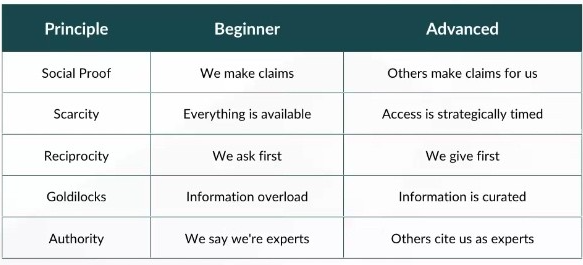
“Journalists are overwhelmed, with all the AI-generated content flooding their channels,” says Trombley. “AI can generate content, but it can’t generate trust.” Trombley emphasized that today’s practitioner will have a competitive advantage if they understand human behavior. She reviewed 5 areas to consider when executing Marketing, PR and Communications plans:
Social Proof: Similar to opinion leader theory – people look to others when deciding what/who to trust. They want to know what others are doing and how they are behaving. Instead of saying “our organization helped 5000 people this year” – pivot to “95% of program participants said our training helped them secure employment.” There is power in employer endorsements, participant testimonials, influencer partnership and supportive Board member comments. Trombley holds out the Edelman Trust Barometer, which surveys more than 33,000 people in 28 countries, as a credible source of information on how people are feeling and behaving.
Scarcity: In short, people have FOMO (fear of missing out”). Loss Aversion Theory tells us that “potential losses feel psychologically larger than gains.” The psychology applies with media (e.g. exclusive interviews, early access to stories); to communication with key stakeholders (from leadership briefings to VIP and “member only” events”.) There is a difference between publishing your report on your website for everyone to see at once and giving “previews” to reporters (e.g. embargoed findings), major donors (e.g. preview of findings) and a “first look” for Board members and other members of your extended internal audience. With the Trust Barometer, Edelman allows media outlets early access to their findings and ties their report launch to specific triggering events.
Reciprocity: People are more likely to engage later when given something of value first. For stakeholders, this might mean giving guides, research and other helpful tools before asking them for “conversion behavior” (e.g. financial support, joining an organization, buying a product). Utilities practice this when they give customers a free energy audit. In the nonprofit world, practitioners talk about “friendraising before fundraising” and the importance of building relationships before asking for a supportive behavior. It is why you get those fundraising envelopes with a nickel or dime attached! Edelman offers the Trust Barometer free of charge – they are giving you something before asking for anything.
Goldilocks: This is getting your messaging “just right.” For example, on the topic of AI, “AI is changing everything” is too broad. “Details on our new software update” is too narrow. But “How AI is changing crisis communications” is just the right level of information. In our field, we need to think about “information overload” – how can we offer communication at the “appropriate level of helpful?” How can we use information mapping techniques to make information easy to scan? This may mean producing several versions of information, ranging from the short, one-page infographic to the two-page summary to the full report. “The strongest messages sit between the obvious and the obscure,” according to Trombley. Edelman does a very effective job providing its top findings in a format that makes complex research digestible.
Authority: Also similar to opinion leader theory – people turn to opinion leaders on specific topics and people use expertise as a shortcut to their decision-making. Getting your information from an authority, or expert on a topic, reduces the perceived risk in taking an action. In the PR field, we help leaders build credibility through transparent communication and MBWA (management by walking around); we build our own credibility by sharing original research, speaking at conferences and offering our organization’s spokespersons as subject matter experts for media interviews. Edelman gets cited on the Trust Barometer because they have original research. They have built credibility for this report by sharing information on the sample size, and by publicizing it broadly so that it is widely-quoted by many. “There is a difference between saying, ‘we are experts’ and having others quote you as experts,” says Trombley.
For more information, write Marlana at marlana@prosperpeak.com. Jackson Jackson & Wagner is a Behavioral Public Relations and Management Consulting firm based in New England. They can be reached at www.jjwpr.com.